
Understanding Certificates of Title in the Dominican Republic
A Certificate of Title in the Dominican Republic is the official legal document that proves ownership of registered real estate. Understanding how it works is essential for buyers, foreign investors, and anyone purchasing property in the country.
A Certificate of Title is the foundation of property ownership in the Dominican Republic. Before purchasing any property, buyers should verify that the title is valid, accurately reflects ownership, and is free of legal issues such as mortgages, liens, or ownership disputes. This verification is a critical part of the legal due diligence process and helps protect your real estate investment.
Whether you are a local buyer, a foreign investor, or purchasing a vacation property, understanding what a Certificate of Title is and how it protects ownership rights is essential for making a secure real estate investment.
At Mastery Real Estate Law, we regularly assist clients with title verification, legal due diligence, and property transfers throughout the Dominican Republic.
What Is a Certificate of Title?
A Certificate of Title is the official legal document issued by the Dominican Registry of Titles (Registro de Títulos) that proves ownership of registered real estate.
Under Law No. 108-05 on Real Estate Registration, ownership rights over registered property are evidenced through a Certificate of Title issued by the Dominican land registration system.
Learn more in our guide "How to Verify a Property Title in the Dominican Republic."
The Certificate of Title serves as the highest evidence of registered ownership and provides legal certainty regarding the ownership of the property.
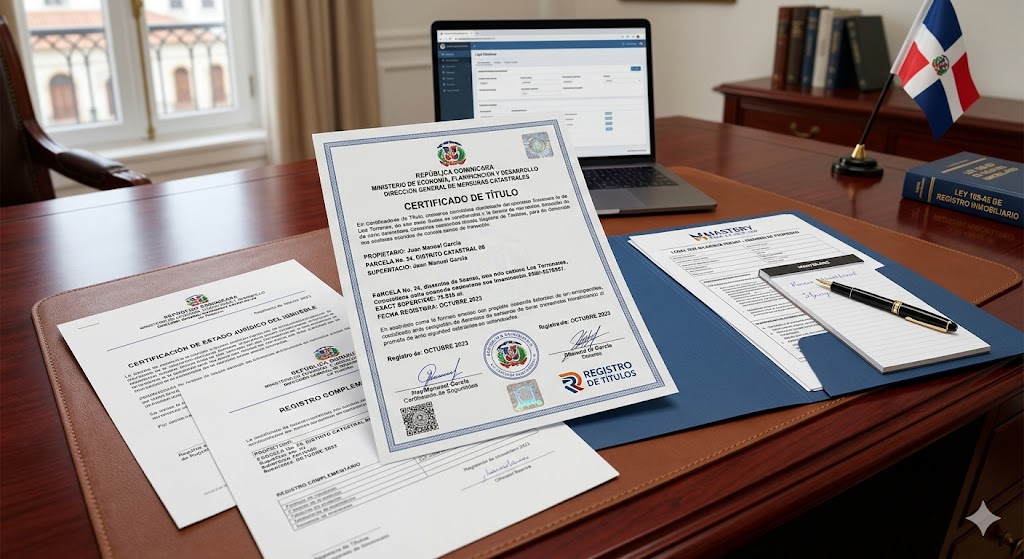
Understanding the Certificate of Title Is Essential for Verifying Property Ownership and Protecting Real Estate Investments in the Dominican Republic.
Why Is the Certificate of Title Important?
The Certificate of Title helps establish:
- Legal ownership rights.
- Property identification.
- Property boundaries.
- Registration information.
- Ownership history.
- Transferability of the property.
Without proper title verification, buyers may unknowingly acquire property affected by legal issues, liens, ownership disputes, or registration problems. For this reason, reviewing the Certificate of Title is one of the most important steps in any real estate transaction.
Information Found on a Certificate of Title
A valid Certificate of Title typically contains:
- The Title Registry Office that issued the document.
- Property registration information.
- Cadastral designation.
- Parcel identification.
- Surface area of the property.
- Owner's name.
- Municipality and province.
- Registration details.
- Official seals and security features.
These elements help identify the property and confirm ownership rights.
Certificate of Title vs. Ownership Certificate Prior to Individualization
Not all ownership documents provide the same level of protection.
In the Dominican Republic, buyers may encounter:
Certificate of Title
A Certificate of Title protects ownership rights over land that has been properly individualized through an approved survey and registered with the land registration system.
Ownership Certificate Prior to Individualization
This document certifies ownership rights within a larger parcel of land but does not necessarily identify a specific, individually surveyed property. When purchasing property supported by an ownership certificate prior to individualization, additional legal review is often necessary.
Understanding the Importance of Deslinde
One of the most important concepts associated with property ownership in the Dominican Republic is the Deslinde process.
A Deslinde is the legal and technical procedure used to determine and officially register the exact boundaries of a property.
The process generally involves:
- Survey work.
- Technical review.
- Judicial approval.
- Registration of the individualized parcel.
- Issuance of a Certificate of Title.
Properties that have completed the Deslinde process generally provide greater legal certainty to buyers and investors.Buyers should verify whether the property has completed the Deslinde process before purchasing, as this may affect ownership certainty and future property transfers.
Learn more in our guide "Understanding the Deslinde Process in the Dominican Republic."
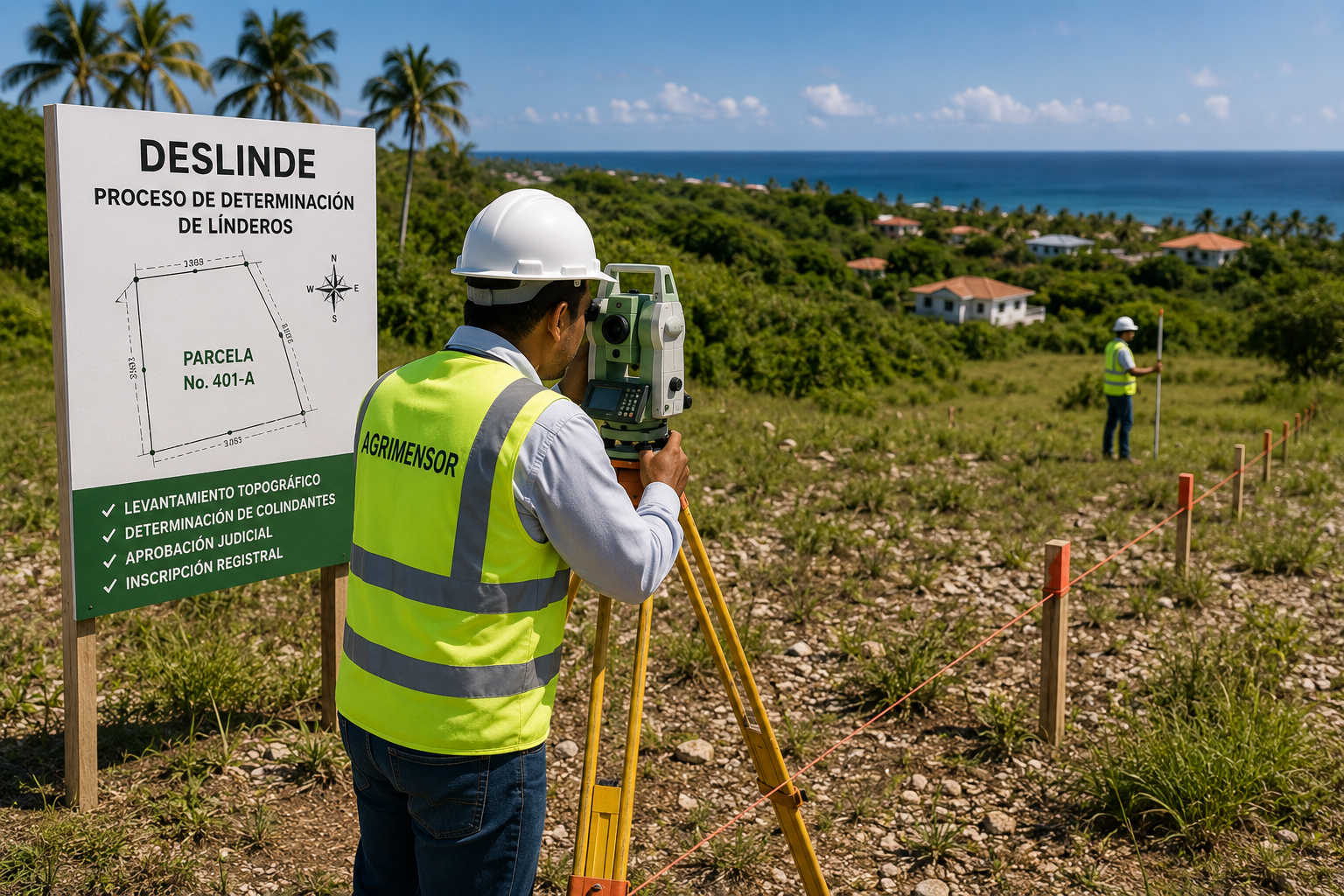
The Deslinde Process Establishes Official Property Boundaries and Strengthens Ownership Rights Under Dominican Real Estate Law.
Does a Certificate of Title Guarantee a Clean Title?
Not necessarily.
While the Certificate of Title confirms ownership rights, buyers should not assume that ownership is free from legal issues.
Additional investigation may be necessary to identify:
- Mortgages.
- Liens.
- Encumbrances.
- Easements.
- Pending litigation.
- Ownership disputes.
For this reason, legal due diligence should always include a review of both the Certificate of Title and related registry records.
Learn more in our guide "Due Diligence Checklist for Buying Property in the Dominican Republic."
The Role of the Complementary Registry
Another important document is the Complementary Registry (Registro Complementario).
The Complementary Registry contains information regarding:
- Mortgages.
- Encumbrances.
- Court actions.
- Easements.
- Other registered claims affecting the property.
Reviewing the Complementary Registry helps determine whether the title is truly clear and transferable.
How Is a Certificate of Title Transferred?
When real estate is sold, ownership does not transfer automatically.
The transfer process generally includes:
- Signing the Purchase and Sale Agreement.
- Notarization of the transaction.
- Payment of applicable taxes.
- Filing with the Registry of Titles.
- Registration of the transfer.
- Issuance of a new Certificate of Title in the buyer's name.
Only after registration is completed will a new Certificate of Title be issued to the buyer.
Learn more in our guide "Property Transfers in the Dominican Republic."
Common Problems Buyers Should Watch For
Before purchasing property, buyers should verify that:
- The seller is the registered owner.
- Property boundaries are clearly defined.
- No mortgages affect the property.
- No liens or encumbrances are registered.
- The property has completed the Deslinde process when required.
- Ownership records are accurate and up to date.
Failure to verify these issues may result in costly legal complications after closing.
Why Legal Due Diligence Matters
A Certificate of Title is an essential document, but it is only one part of the due diligence process.
A comprehensive legal review should also include:
- Title verification.
- Registry review.
- Tax verification.
- Boundary verification.
- Contract review.
- Corporate review (if applicable).
Professional legal guidance can help identify risks before funds are transferred.
Learn more in our guide "What Does Legal Due Diligence Include in the Dominican Republic?"
How Mastery Real Estate Law Can Help
At Mastery Real Estate Law, we assist clients with:
- Certificate of Title verification.
- Legal due diligence.
- Property transfers.
- Foreign investor representation.
- Boundary verification.
- Real estate acquisitions.
- Contract review.
Our goal is to help clients acquire property securely and with confidence.
Final Considerations
Understanding the Certificate of Title is essential for anyone purchasing real estate in the Dominican Republic.
While a Certificate of Title serves as evidence of ownership, investors should remember that additional legal review is often necessary to identify mortgages, liens, ownership disputes, and other issues that may affect the property.
Before purchasing any property, buyers should ensure that the transaction complies with Law No. 108-05 on Real Estate Registration and obtain qualified legal guidance to protect their investment. Proper title verification today can help prevent costly legal disputes in the future.
Below are answers to some of the most common questions buyers and foreign investors ask about Certificates of Title in the Dominican Republic.
Frequently Asked Questions
What is a Certificate of Title?
A Certificate of Title is the official legal document issued by the Dominican Registry of Titles that proves ownership of registered real estate. It identifies the property's registered owner and contains important information about the property and its registration.
Who issues the Certificate of Title in the Dominican Republic?
The Certificate of Title is issued by the corresponding Registry of Titles (Registro de Títulos) under the Dominican land registration system established by Law No. 108-05 on Real Estate Registration.
Does a Certificate of Title guarantee ownership?
A Certificate of Title serves as legal evidence of ownership. However, buyers should still conduct legal due diligence to verify whether the property is affected by mortgages, liens, easements, pending litigation, or other legal issues that may impact the transaction.
Can foreigners obtain a Certificate of Title?
Yes. Foreign buyers enjoy the same property ownership rights as Dominican citizens. Once the property transfer is properly registered, a new Certificate of Title may be issued in the foreign buyer's name.
What is the difference between a Certificate of Title and a Property Ownership Certificate?
A Certificate of Title identifies a specific registered property that has been properly individualized through the Dominican land registration system. A Property Ownership Certificate (Ownership Certificate Prior to Individualization) generally represents ownership rights within a larger parcel that has not yet been fully individualized through the Deslinde process. Additional legal review is often recommended before purchasing this type of property.
Why should I verify a Certificate of Title before buying property?
Verifying the Certificate of Title helps confirm ownership, identify the registered owner, review property information, and detect potential legal issues before closing. Title verification is an essential part of the legal due diligence process and helps protect buyers from costly legal disputes and unexpected liabilities.
Contact Mastery Real Estate Law
If you need assistance verifying a Certificate of Title, conducting legal due diligence, reviewing purchase agreements, or completing a property transfer in the Dominican Republic, contact Mastery Real Estate Law for professional legal guidance.
Title verification is only one part of protecting your investment. A complete legal due diligence investigation provides buyers with greater certainty before completing a real estate transaction in the Dominican Republic.
Published by Mastery Real Estate Law
Protecting Your Investment in the Dominican Republic.