
Common Real Estate Disputes in the Dominican Republic
Real estate ownership in the Dominican Republic offers significant opportunities for homeowners, investors, developers, and foreign buyers. However, property ownership can also give rise to legal disputes that may affect ownership rights, property value, and the ability to transfer or use real estate assets.
Understanding the most common real estate disputes can help property owners identify potential risks and take preventive measures before conflicts arise.
At Mastery Real Estate Law, we assist property owners, investors, and families in resolving real estate disputes and protecting their legal rights throughout the Dominican Republic.
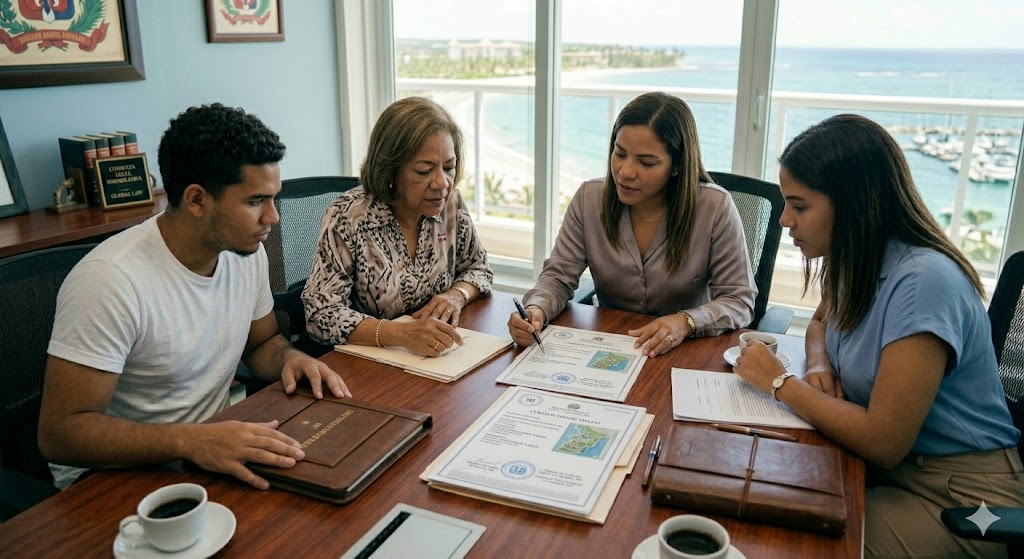
Early Legal Guidance Can Help Property Owners Resolve Real Estate Disputes More Efficiently and Protect Their Ownership Rights.
Understanding Real Estate Disputes
Real estate disputes may arise between:
- Buyers and sellers.
- Co-owners.
- Neighbors.
- Heirs.
- Developers.
- Contractors.
- Tenants and landlords.
Many disputes can be avoided through proper title verification, legal due diligence, and professional legal review before completing a transaction.
Title Ownership Disputes
Real estate disputes may arise between:
- Buyers and sellers.
- Co-owners.
- Neighbors.
- Heirs.
- Developers.
- Contractors.
- Tenants and landlords.
Many disputes can be avoided through proper title verification, legal due diligence, and professional legal review before completing a transaction.
Title Ownership Disputes
One of the most common real estate disputes involves questions regarding legal ownership.
Disputes may arise when:
- Ownership records are unclear.
- Multiple parties claim ownership rights.
- Fraudulent transfers are alleged.
- Property boundaries are disputed.
- Inheritance claims affect title ownership.
Property ownership disputes often require a detailed review of title records and supporting legal documentation.
Under Law No. 108-05 on Real Estate Registration, ownership rights over registered real estate must be supported by a valid Certificate of Title issued through the Dominican land registration system. Proper title verification is often essential when resolving ownership disputes.
Boundary and Survey Disputes
Boundary disputes frequently occur between neighboring property owners.
Common issues include:
- Encroachments.
- Incorrect boundary lines.
- Fence placement disagreements.
- Survey inconsistencies.
- Overlapping property claims.
Proper cadastral surveys and legal verification can help reduce the likelihood of these disputes.
Boundary disputes may also involve cadastral and surveying matters governed by Law No. 108-05 on Real Estate Registration and its complementary regulations, which establish procedures for property demarcation, subdivision, and boundary determination.
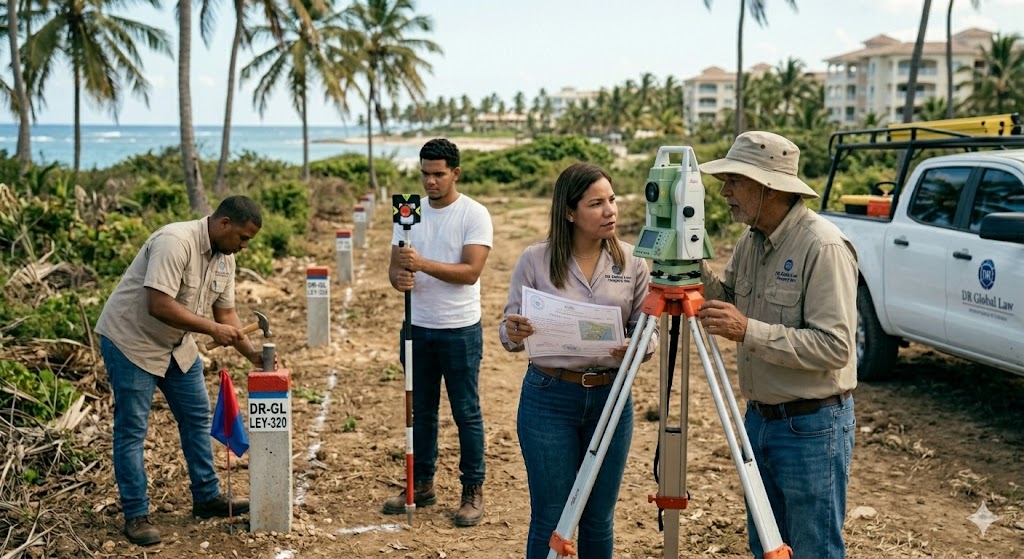
Accurate Boundary Verification and Updated Survey Records Can Help Prevent Property Line Disputes and Ownership Conflicts.
Inheritance and Succession Disputes
Real estate inheritance often becomes a source of conflict among family members.
Common succession-related disputes include:
- Disagreements among heirs.
- Challenges to wills.
- Unidentified heirs.
- Distribution of inherited property.
- Sale of inherited real estate without unanimous consent.
Under Article 718 of the Dominican Civil Code, succession opens at the moment of death, and inheritance rights become subject to the legal succession process.
The Dominican Civil Code also contains provisions governing forced heirship rights, which may affect the distribution of inherited real estate and limit the portion of an estate that may be freely transferred by will.
Proper estate planning can help reduce future family conflicts.
Contract Disputes
Disputes may arise when one party alleges that contractual obligations have not been fulfilled.
Examples include:
- Failure to transfer title.
- Delays in closing.
- Misrepresentation of property conditions.
- Breach of purchase agreements.
- Failure to deliver agreed documentation.
Carefully drafted contracts can significantly reduce the risk of future disputes.
Contractual disputes are generally governed by the Dominican Civil Code, which establishes the legal principles applicable to contractual obligations, performance, and liability for breach of contract.
Developer and Construction Disputes
Investors purchasing pre-construction or newly developed properties may encounter disputes involving:
- Construction delays.
- Quality defects.
- Permit issues.
- Contract modifications.
- Failure to deliver promised amenities.
Before investing in a development project, buyers should conduct proper legal due diligence and carefully review all contractual documents.
Obtaining legal advice before signing a pre-construction agreement may help identify potential risks and avoid future disputes.
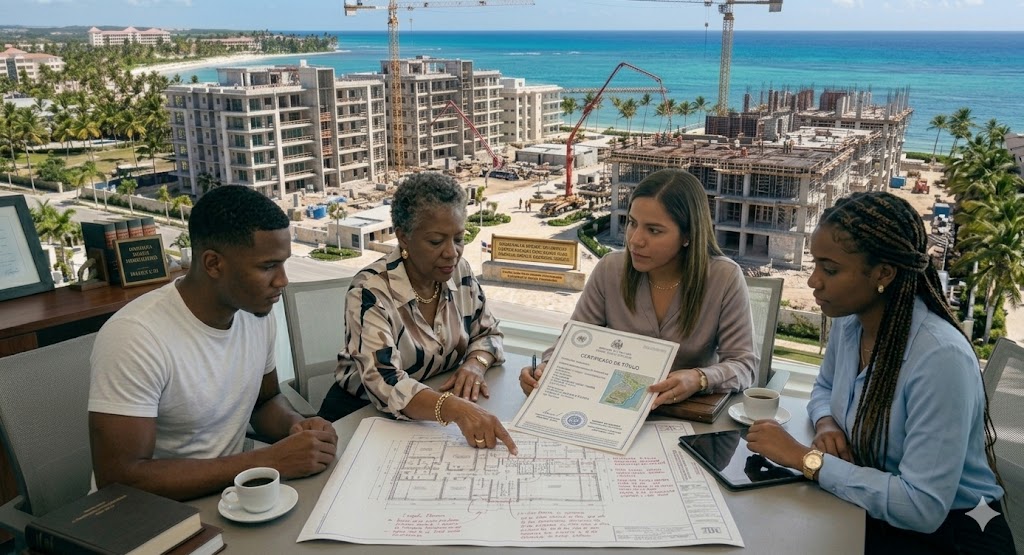
Legal Review of Construction Projects and Development Agreements Can Help Investors Identify Risks Before They Become Costly Disputes.
Co-Ownership Disputes
When multiple individuals own the same property, disagreements may arise regarding:
- Property management.
- Maintenance expenses.
- Rental income distribution.
- Property improvements.
- Sale decisions.
Clear agreements among co-owners can help avoid future disputes and clarify the rights and responsibilities of each owner.
Landlord and Tenant Disputes
Rental properties may generate conflicts involving:
- Non-payment of rent.
- Property damage.
- Security deposits.
- Lease term violations.
- Eviction procedures.
Both landlords and tenants should ensure that lease agreements clearly define their respective rights and obligations.
Lease relationships may also be affected by applicable Dominican rental regulations and the contractual provisions agreed upon by the parties.
How to Reduce the Risk of Real Estate Disputes
Property owners and investors can reduce legal risks by:
- Conducting title verification.
- Performing legal due diligence.
- Using professionally drafted contracts.
- Maintaining accurate property records.
- Obtaining updated surveys.
- Seeking legal advice before major transactions.
Preventive legal measures are often far less costly than resolving disputes after they arise.
How Mastery Real Estate Law Can Help
At Mastery Real Estate Law, we assist clients with:
- Property dispute resolution.
- Title verification.
- Due diligence.
- Contract review.
- Inheritance-related real estate matters.
- Property transfers.
- Real estate litigation support.
- Legal consulting for investors.
Our goal is to protect our clients' interests and help resolve disputes efficiently and effectively.
Final Considerations
Real estate disputes can arise for many reasons, including ownership conflicts, inheritance issues, contractual disagreements, boundary disputes, and construction-related problems.
Real estate disputes should be evaluated in light of applicable Dominican legislation, including the Dominican Civil Code, Law No. 108-05 on Real Estate Registration, and other regulations governing property ownership, contractual obligations, succession rights, and real estate transactions.
Understanding the legal framework governing real estate ownership and transactions in the Dominican Republic can help property owners and investors protect their rights and minimize legal risks.
When disputes occur, obtaining qualified legal advice at an early stage can often help achieve a more efficient and cost-effective resolution.
Contact Mastery Real Estate Law
If you are involved in a real estate dispute or would like to reduce legal risks before purchasing property in the Dominican Republic, our team is ready to assist.
Published by Mastery Real Estate Law
Protecting Your Investment in the Dominican Republic.